Paula RegoDance Among Thorns
Discover the political and poetic practice of Paula Rego, an influential artist and feminist icon. Book guided tour.
The Portuguese British artist Paula Rego (1935–2022) receives her first ever large-scale exhibition in the Nordic region.
Rego grew up in Portugal under the Salazar dictatorship, an era in which women’s freedom and rights were severely limited. At the age of 17, Rego travelled to London to study art. Throughout her career, she was influenced by the history, culture and literary traditions of both her native Portugal and Great Britain. Her work is rooted in her own experience, as well as stories, myths and fairy tales which uncover the darker sides of humanity.
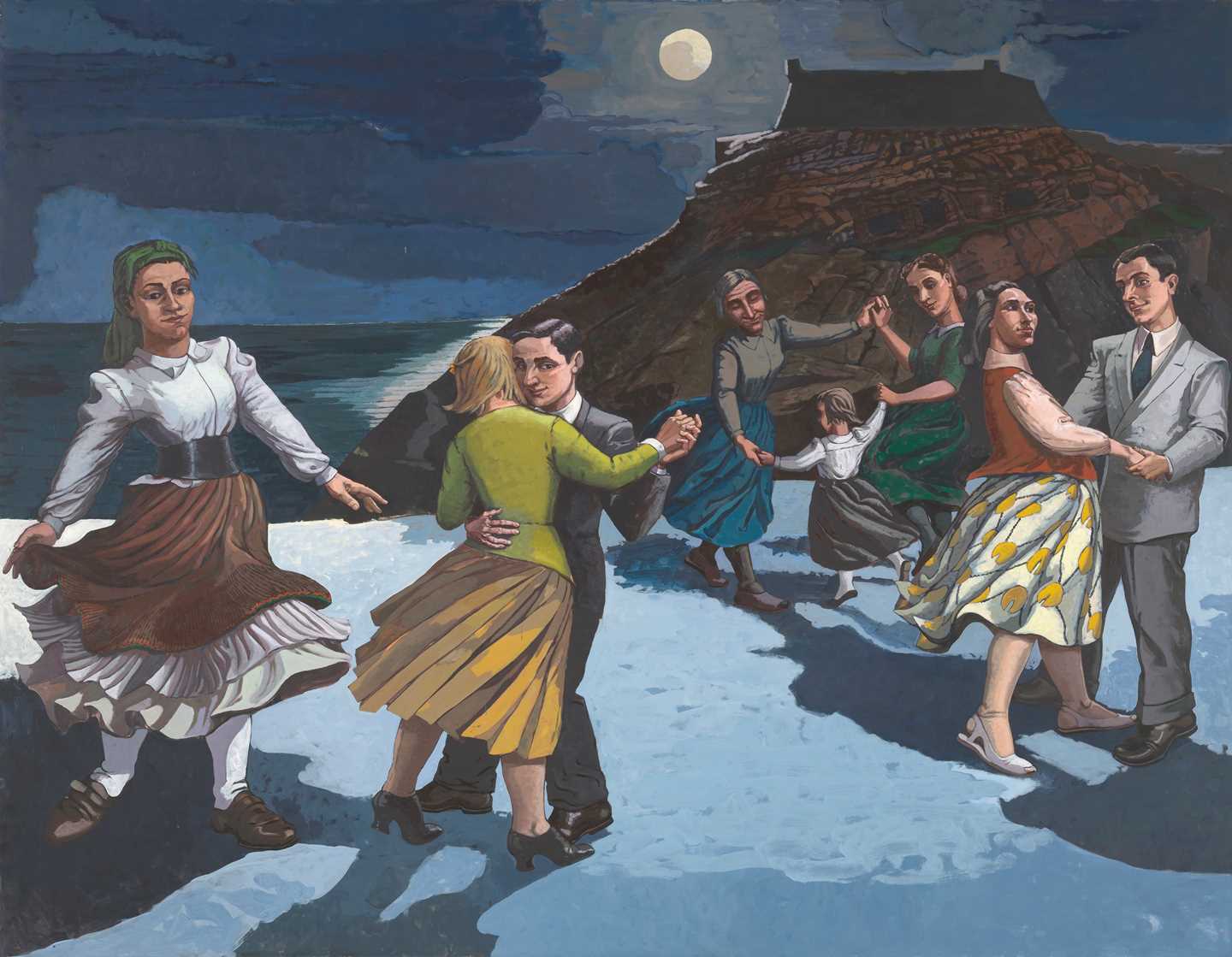
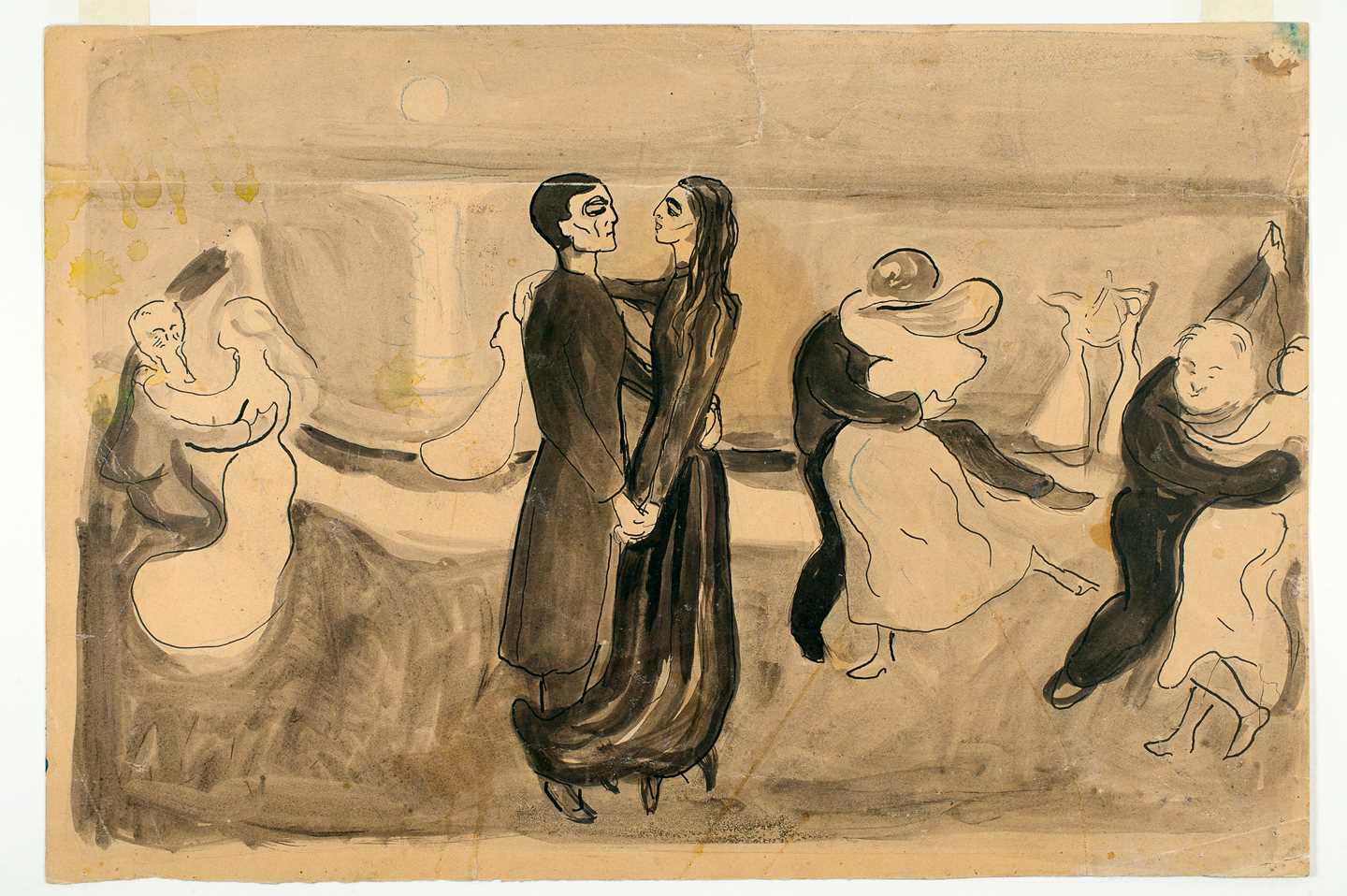
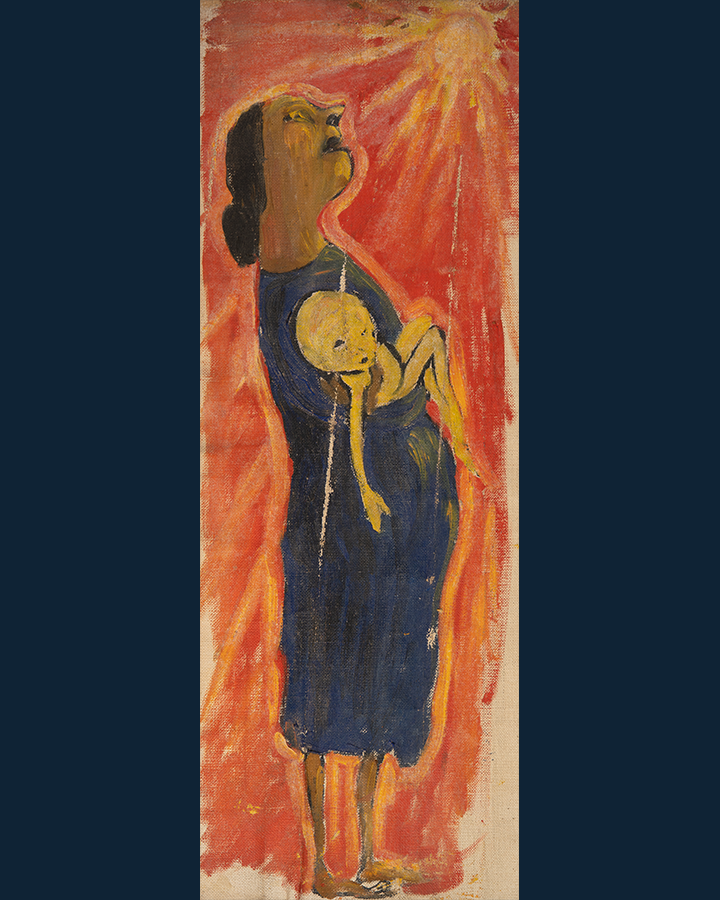
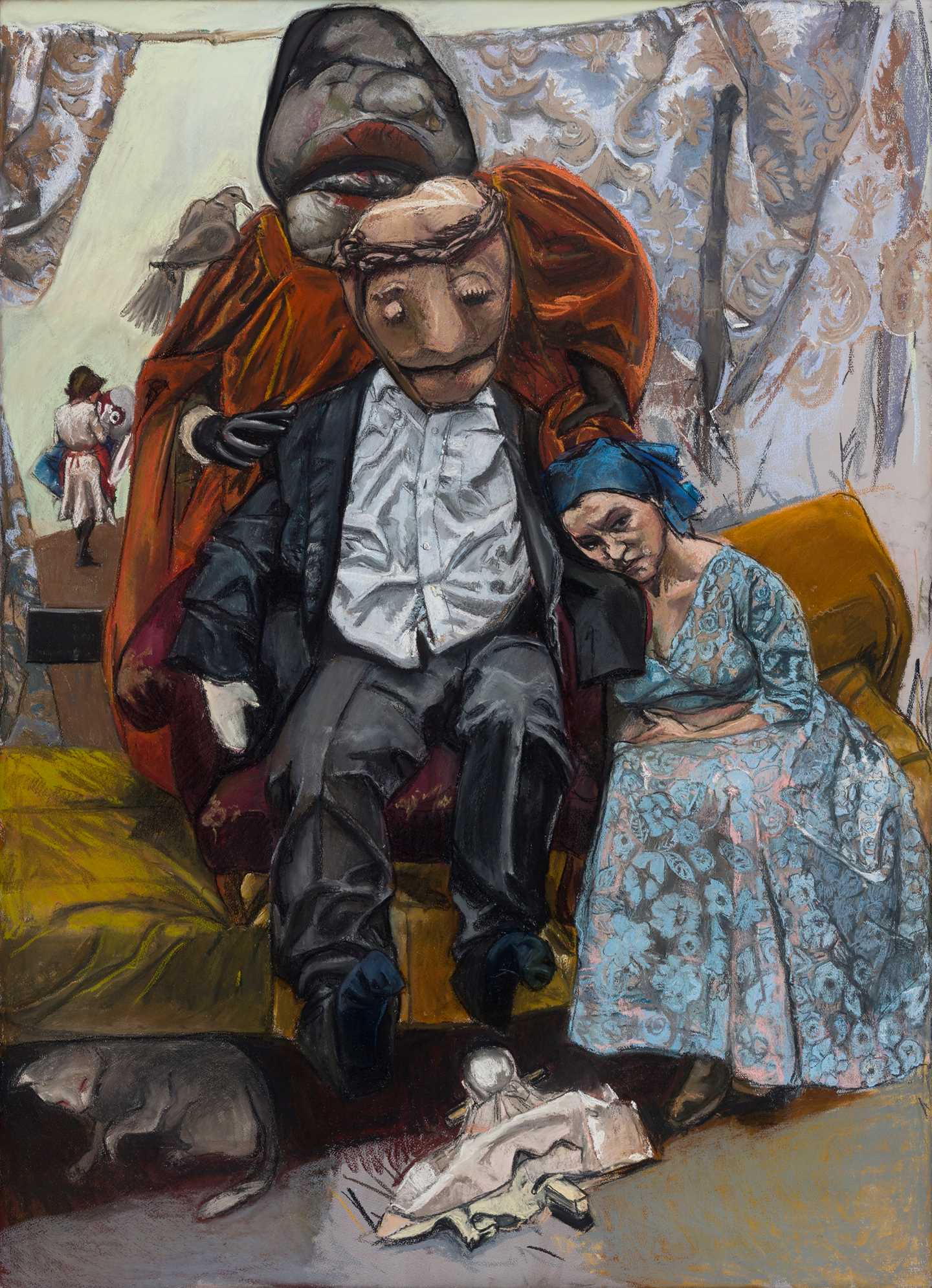
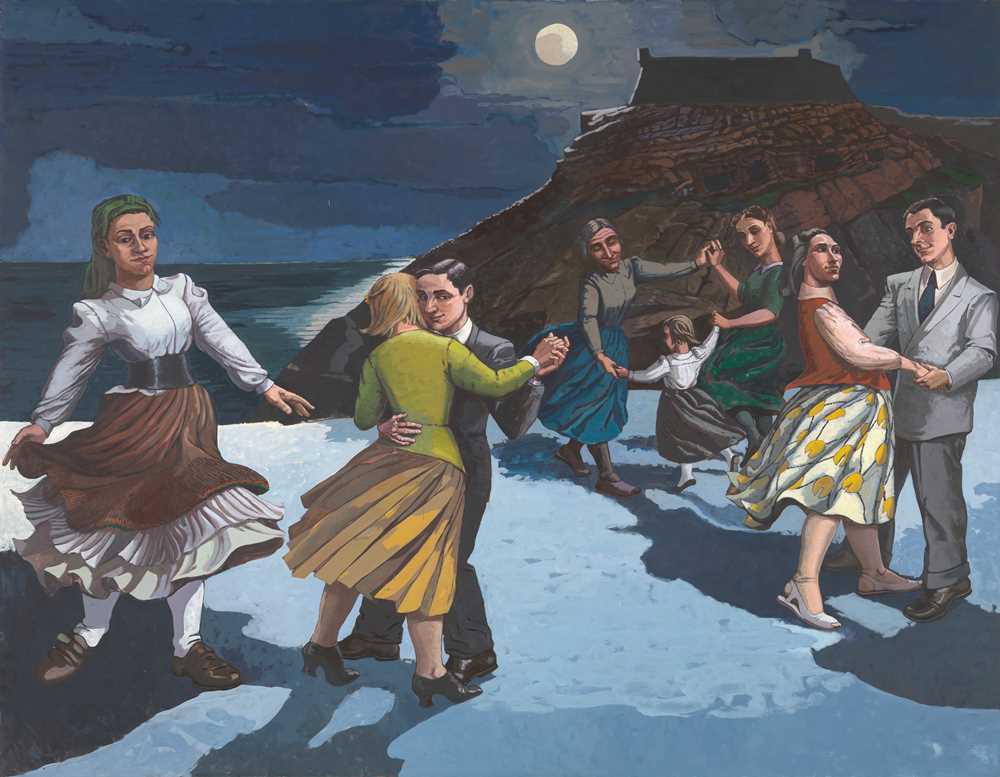
Across nine sections and more than 140 works, the exhibition at MUNCH showcases the breadth of Rego’s art, from her early political collages to textile sculptures and magnificent figurative tableaux. The title ‘dance among thorns’ refers to Rego’s interest in fairy tales, the many thorns of fascism, and to dance as a motif. The first section presents the link to Edvard Munch (1863–1944) and the similarity of composition between Munch’s Dance of Life (1899) and Rego’s main work The Dance. New research reveals how her visit to the major Munch-retrospective at Tate Gallery in 1951 sparked Rego’s interest in this artist. Two years later she painted Drought (1953), now exhibited for the first time. This works demonstrates a striking resemblance to The Scream (1893) in both colours and paint strokes.
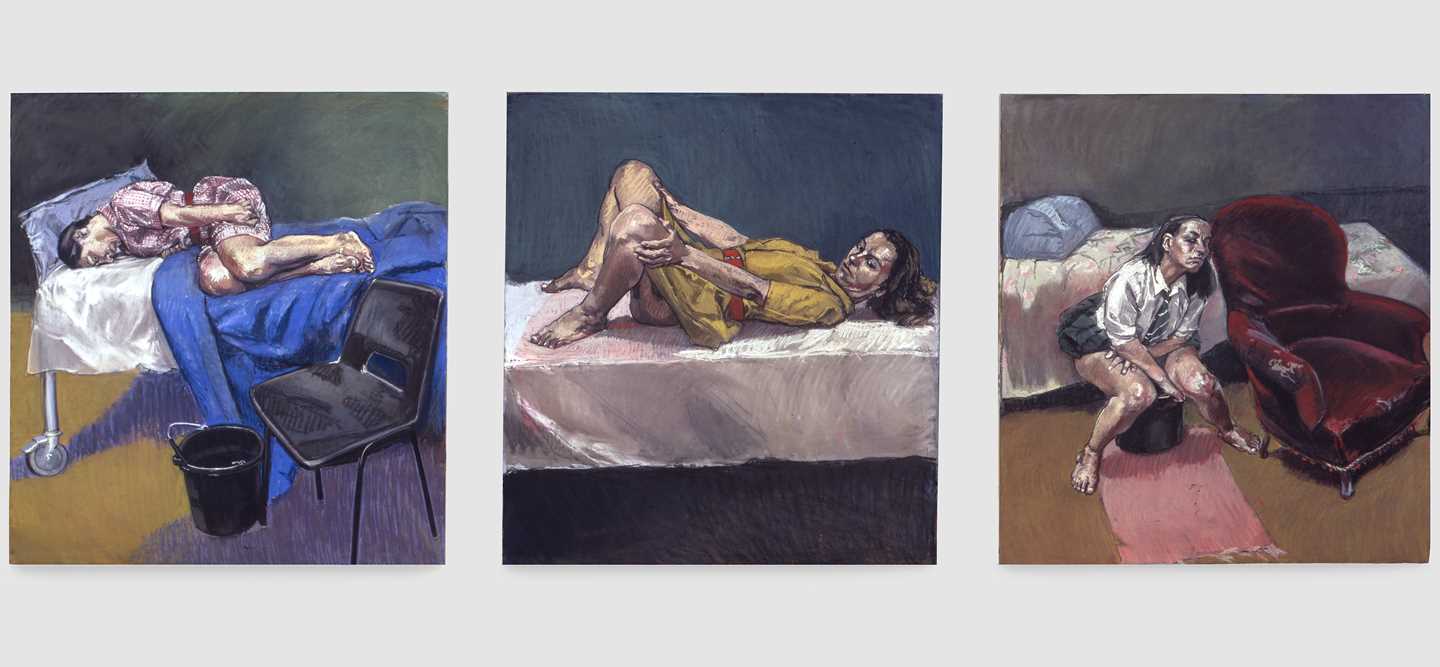
In the 1990s she became involved in the abortion issue, and eventually in 2007 the right to voluntary abortion was legalised in her homeland. In the exhibition, one section is dedicated to her Untitled pastel paintings, which demonstrates the effect political authority has on women’s sexuality, bodies and mental health. Other sections explores her relationship to childhood memories, storytelling and fairy tales. With a blend of humour and seriousness, she explores themes such as power and powerlessness, sexuality and anger – primal emotions common to all human psychology, across cultures and continents.
This is the most comprehensive display of her art since her exhibition at Tate Britain in 2021, the year before her passing. The presentation encompasses collages, pastels, drawings, prints, tapestries, and sculptures. The exhibition will also feature one was sculpture by Ron Mueck and three works on paper by Edvard Munch.
The exhibition is curated by Kari J. Brandtzæg.